Schedule Electrical Service Today

Electric Car Charger Installation Cost Guide for Methuen, MA
What Homeowners Should Expect to Pay in 2026
Expert insights for your home
1. Understanding EV Charger Installation Costs
Breaking Down the Investment: What Drives Installation Pricing
When homeowners in Methuen consider installing an electric vehicle charger, understanding the full cost picture is essential. The total investment typically ranges from $800 to $2,500, depending on several factors unique to each property.
The charger unit itself represents a significant portion of the expense. Level 2 home chargers, which are the most common choice for residential installations, range from $400 to $1,200. These units charge vehicles 5 to 7 times faster than standard outlets, making them the practical choice for daily use. Premium models with smart features, Wi-Fi connectivity, and scheduling capabilities sit at the higher end of this range.
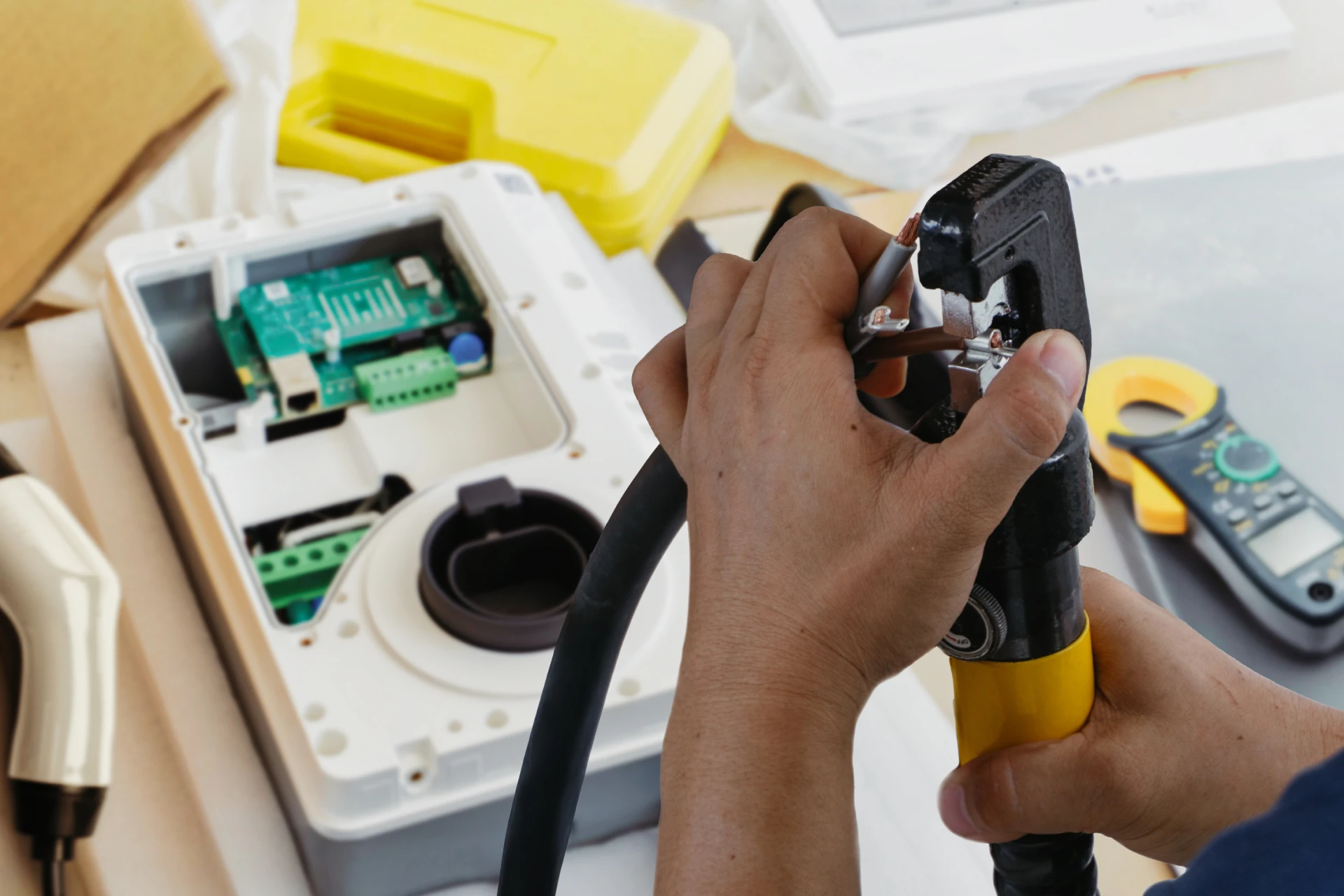
Labor costs for professional installation typically account for $300 to $1,000 of the total expense. This includes running dedicated electrical wiring from your panel to the charging location, mounting the unit securely, and ensuring all connections meet National Electrical Code requirements. Homes with garages attached to the main structure generally see lower installation costs compared to detached garages or outdoor installations that require longer wire runs.
Electrical panel upgrades present an additional consideration. Many older homes in the region were built with 100-amp service panels, which may lack the capacity to support a Level 2 charger alongside existing household electrical demands. Upgrading to a 200-amp panel adds $1,500 to $3,000 to the project cost but provides the necessary capacity for safe, reliable charging.
2. Factors That Influence Your Final Cost
Location and Electrical Infrastructure Considerations
The distance between your electrical panel and the desired charging location directly impacts installation costs. Each additional foot of wiring requires both material and labor. Installing a charger on the opposite side of your home from the panel, or in a detached garage, can add $200 to $600 to your project.
Existing electrical capacity plays a crucial role. Before installation, a licensed electrician should perform a load calculation to determine whether your current panel can handle the additional 40 to 50 amps required by most Level 2 chargers. This assessment prevents circuit overloads and potential fire hazards.
Permit requirements and inspection fees vary by municipality but typically range from $50 to $200. These permits ensure installations comply with local electrical codes and building regulations. Professional electricians familiar with local requirements can streamline this process and prevent costly corrections later.
Installation complexity increases with certain property features. Finishing work such as running conduit through finished walls, drilling through concrete foundations, or trenching underground for detached structures adds both time and expense. Homes requiring these modifications should budget an additional $300 to $800 for the extra work involved.
Seasonal factors affect installation planning in Massachusetts. Winter months can present challenges for outdoor installations or projects requiring trenching through frozen ground. Many homeowners find spring and fall offer optimal conditions for installation work, though qualified electricians can complete installations year-round with proper planning.

3. Charger Types and Features
Selecting the Right Charging Solution for Your Needs
Level 1 chargers use standard 120-volt household outlets and require no special installation. While they cost nothing beyond the charging cable typically included with your vehicle, they provide only 3 to 5 miles of range per hour of charging. This slow charging speed makes Level 1 impractical for most daily drivers, though it can work for those with short commutes and access to workplace charging.
Level 2 chargers operate on 240-volt circuits, similar to electric dryers or ranges. These units deliver 15 to 60 miles of range per hour, depending on the charger’s amperage and your vehicle’s onboard charging capacity. Most homeowners find a 40-amp, 9.6 kW charger provides the optimal balance of charging speed and electrical demand.
Hardwired versus plug-in models present different installation approaches. Hardwired units connect directly to your electrical system and cannot be easily relocated. Plug-in models use a NEMA 14-50 outlet and offer portability, allowing you to take the charger if you move. Plug-in installations often cost slightly less since outlet installation is simpler than hardwiring, though both approaches meet code requirements.
Smart charger features add convenience and potential cost savings. Wi-Fi connectivity enables scheduling charges during off-peak electricity hours when rates are lower. Usage tracking helps monitor charging costs, and smartphone apps provide charging status updates. These features typically add $100 to $300 to the charger cost but can reduce long-term electricity expenses.
Weather-resistant outdoor chargers require NEMA 3R or higher ratings to withstand rain, snow, and temperature fluctuations. Most quality Level 2 chargers include this rating, but installation location should still provide some protection from direct weather exposure when possible to extend equipment life.
4. Incentives and Long-Term Savings
Federal Tax Credits and Massachusetts Programs
Federal tax credits can offset a portion of your installation costs. The Alternative Fuel Vehicle Refueling Property Credit provides up to 30% of the cost of qualified charging equipment and installation, with a maximum credit of $1,000 for residential properties. This credit applies to installations completed through 2032, making now an advantageous time for homeowners to invest in charging infrastructure.
Massachusetts offers additional incentive programs through MOR-EV and utility company rebates. While these programs primarily focus on vehicle purchases, some utilities provide rebates or special time-of-use electricity rates for EV charging. Contacting your local utility can reveal available programs that reduce ongoing charging costs.
The long-term financial benefits of home charging become clear when compared to gasoline costs. With Massachusetts electricity rates averaging $0.22 per kWh, a full charge for a vehicle with a 60 kWh battery costs approximately $13.20, providing 200 to 300 miles of range. The equivalent gasoline expense for similar range would be $25 to $40, depending on fuel efficiency and current gas prices.
Property value considerations matter for homeowners thinking beyond immediate costs. Homes equipped with EV charging infrastructure appeal to a growing market of electric vehicle owners. Real estate studies indicate that charging capability can increase home marketability and potentially add value, particularly as vehicle electrification continues expanding.
Maintenance costs for home chargers remain minimal. Quality units typically carry warranties of 3 to 5 years and have no moving parts requiring regular service. Occasional cleaning and visual inspections ensure continued safe operation, making the initial installation investment the primary expense over the charger’s 10 to 15 year lifespan.

5. Professional Installation Benefits
Why Licensed Electricians Ensure Safe, Code-Compliant Installations
Safety stands as the primary reason to engage licensed professionals for charger installation. EV chargers draw continuous high amperage loads, creating potential hazards if improperly installed. Professional electricians ensure proper wire sizing, circuit protection, and grounding that prevent electrical fires and equipment damage.
Code compliance protects both your investment and your home. National Electrical Code requirements specify installation standards for EV charging equipment, including dedicated circuit requirements, ground fault protection, and proper disconnect means. Licensed electricians stay current with these evolving standards and ensure installations meet all applicable codes.
Manufacturer warranties often require professional installation. Many charger manufacturers void warranties if units are not installed by licensed electricians. This requirement protects manufacturers from liability for improper installations while ensuring homeowners receive qualified service.
Proper load calculations prevent future electrical issues. Adding a 40 or 50-amp circuit for EV charging significantly increases your home’s electrical demand. Professional electricians assess total household load, determine available capacity, and recommend panel upgrades when necessary to maintain safe, reliable electrical service.
Working with experienced local professionals familiar with Massachusetts electrical requirements and regional installation considerations provides additional value. Electricians who regularly perform electrical installations understand permit processes, local inspection requirements, and common challenges specific to homes in the area. This expertise streamlines installations and prevents delays or complications.
Professional installation typically includes testing and verification of proper operation. Electricians confirm correct voltage, test ground fault protection, verify charging function, and ensure all connections are secure. This thorough approach provides confidence that your charging system will operate safely and reliably for years to come.